tvOS &
the TV app.
An operating system for the living room. Three years of prototyping in the dark, iterating with Apple's most senior leaders, and shipping something millions of people would touch every night from the couch.
- Role
- Senior UI Designer
- Team
- Small core, big stakes
- Years
- 2014 – 2016
- Outcome
- Shipped tvOS + TV app
The hobby that wouldn't stay a hobby.
Apple TV had always been the side project. Steve Jobs once said in an interview that they had "nailed it", but he never quite explained what "it" was. That ambiguity was the brief. Our job was to figure out what the television could become if it ran the same DNA as the iPhone.
The new project framed the TV as a real platform: an operating system rooted in iOS, with apps, a software development kit, and an interaction model designed for ten feet away rather than ten inches. Across several years our task was to elaborate, prototype and pressure-test what that could actually mean for customers in their living rooms.
Designing in the dark.
Being Apple, all of this had to happen in secret. No usability sessions with real households. No diary studies. No public betas. Only internal feedback loops and the instincts of a small group of designers, engineers and producers who all watched a lot of television.
For a designer who lives for customer feedback, that was the hardest part of the work. We had to substitute discipline for data: build the prototype, sit on the couch, watch someone else use it, argue about it, and rebuild it the next morning.
Three years, three cycles, hundreds of prototypes.
We iterated relentlessly. Concepts were built, sharpened and reviewed at the highest levels of Apple leadership. Without going into the specifics of any particular direction, the prototypes were where the strengths and weaknesses of each approach became impossible to hide. Static mocks were polite. Working prototypes told the truth.
The work also had to absorb three distinct cycles of changing constraints, each one shaped by ongoing deals with the content providers Apple was looking to partner with. Every shift in the business reality reshaped what was possible in the interface, the navigation model, and the very definition of what the TV app should be.
That meant designing systems that could flex: a focus engine that worked whether the catalogue was unified or fragmented, a motion language that felt cinematic with or without channel partners, and a remote interaction model that respected the realities of a glass touch surface in a dark room.
Shipping something tangible.
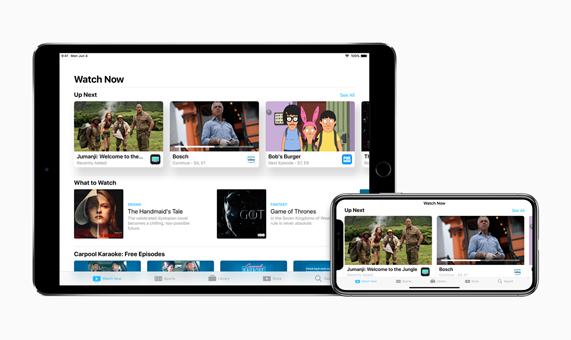
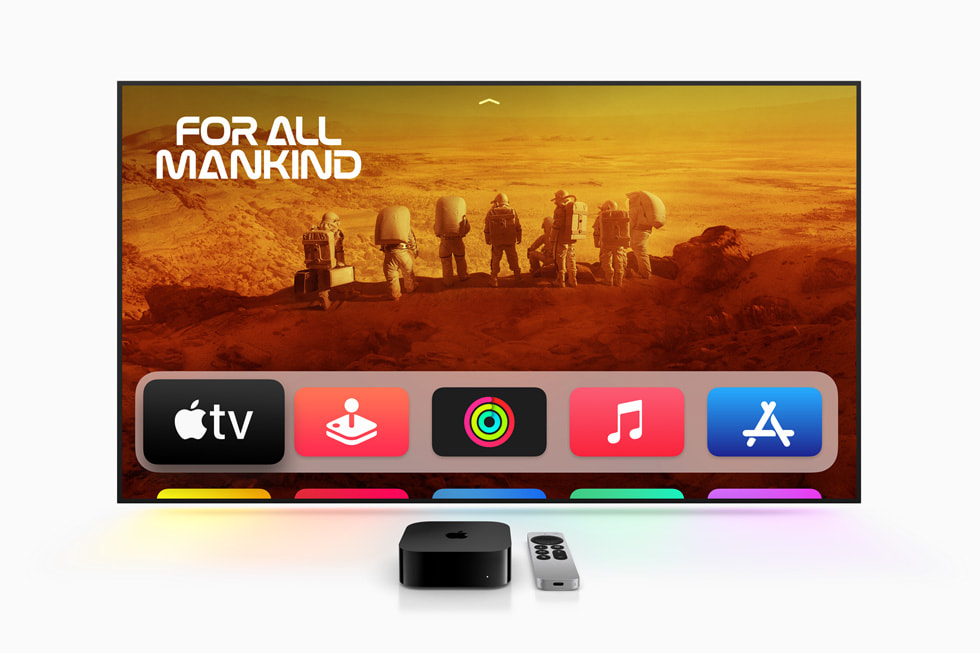
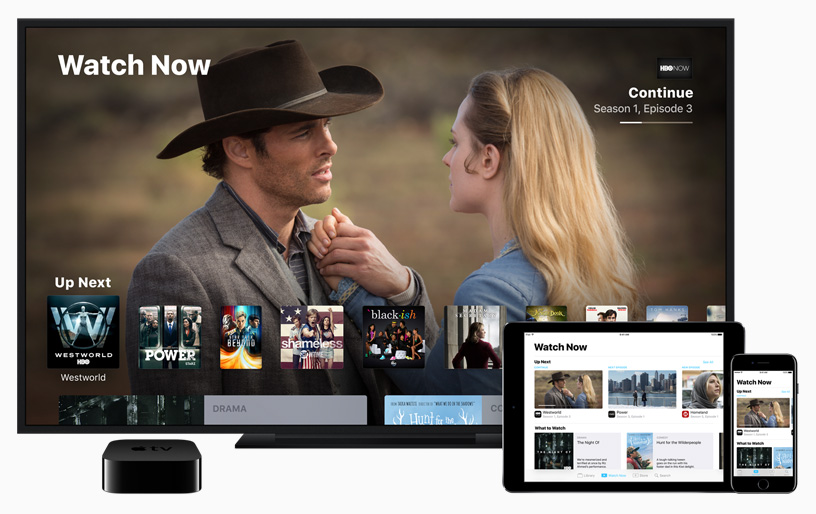
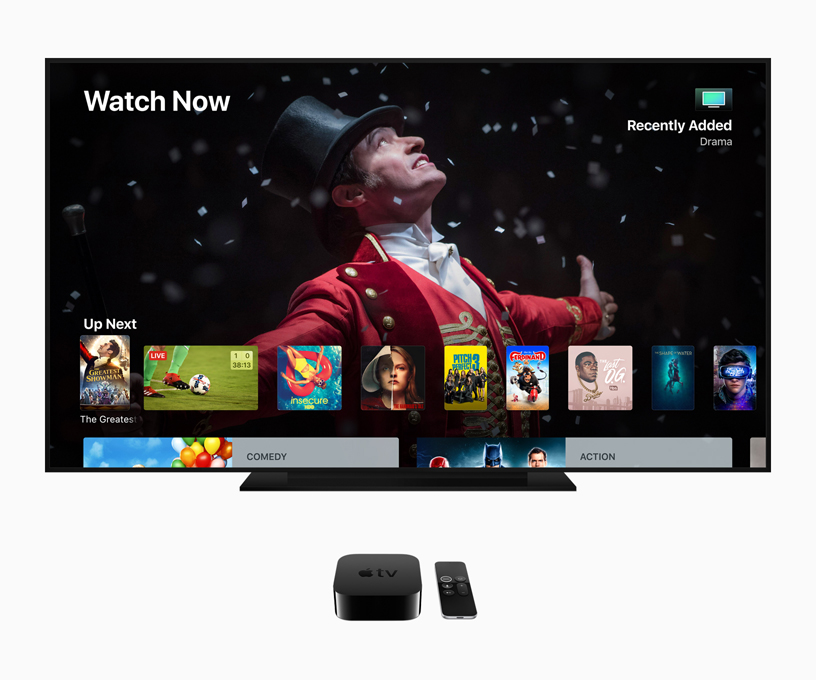
After more than three years of iteration, prototyping and build, we were finally ready to ship the result: tvOS, and the unified TV app that sat on top of it. A platform with a software development kit, a focus model, a motion language, and an opinion about how living rooms should work.
The experience of shipping something so relevant, so tangible, so practical still resonates with me to this day. It is the part of the craft that no spec document or design system can teach: the strange quiet of seeing your work in someone else's living room, working exactly as you hoped, being completely ignored because it just feels like the television.
What it taught me.
Working on tvOS taught me to trust prototypes over decks, to design for the constraints you have rather than the ones you wish you had, and to keep a small, opinionated team honest by putting working software in front of them every week. Those are the habits I still bring to every product I work on.
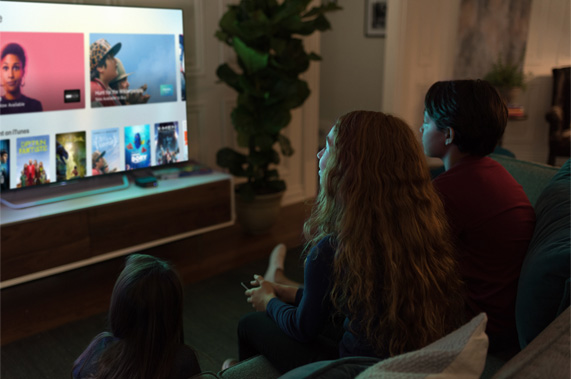
GalleryApple TV in the living room.