iTunes 11.
A clean slate.
A ground up redesign of the most-used app on the Mac. Years of skeuomorphic detail were stripped back to make room for a quieter, more confident interface, one that put the music first and pointed the way to where Apple's apps were headed next.
- Role
- Senior UI Designer
- Surface
- macOS · iTunes
- Years
- 2012 – 2013
- Outcome
- Shipped iTunes 11
A cornerstone, starting to show its age.
When I joined Apple, the company was in the middle of a generational shift across its platforms. iOS 7 was on the horizon, flatter, lighter and less skeuomorphic than anything that had come before, and the same instinct was working its way through the rest of the apps.
iTunes had been the cornerstone of Apple's push into music for a decade. It was also one of the apps people were most vocal about. Customer feedback had been honest for a while: it had grown too dense, too noisy, too heavy. It was time for the next chapter.
Less app, more music.
Under the leadership of iTunes' original founder, Jeff Robbin, the team treated this as an opportunity, not just a refresh. The brief was simple to say and difficult to do: keep everything iTunes was good at, and remove everything that was getting in the way of it.
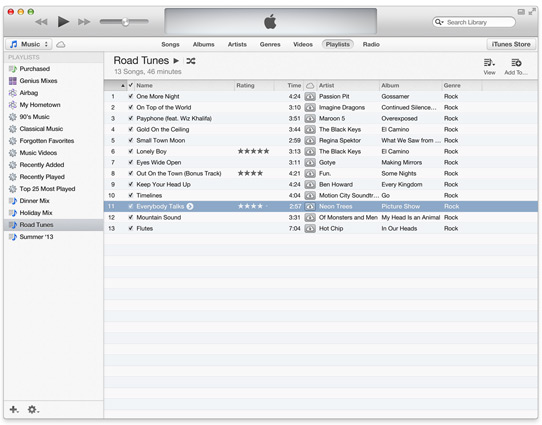
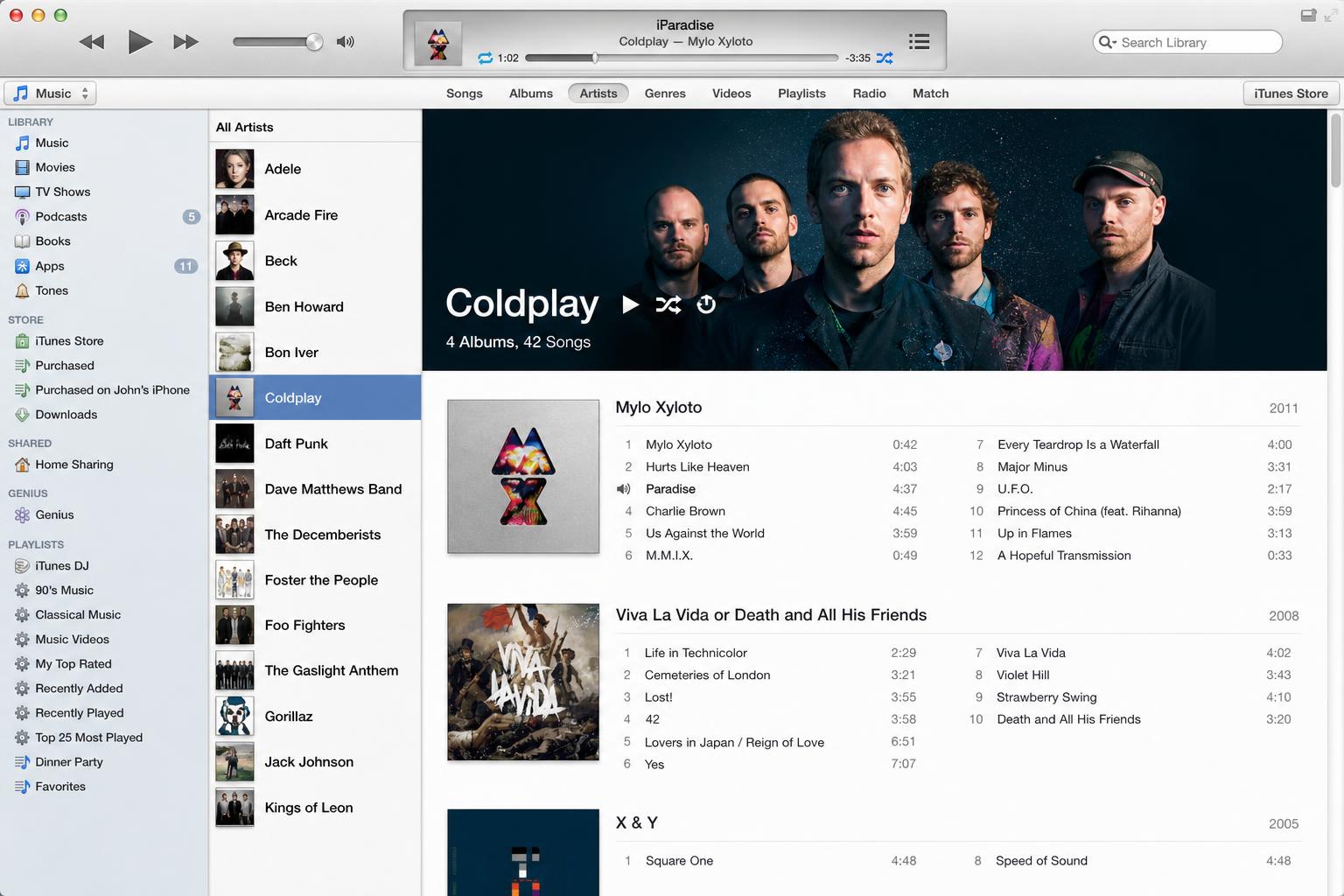
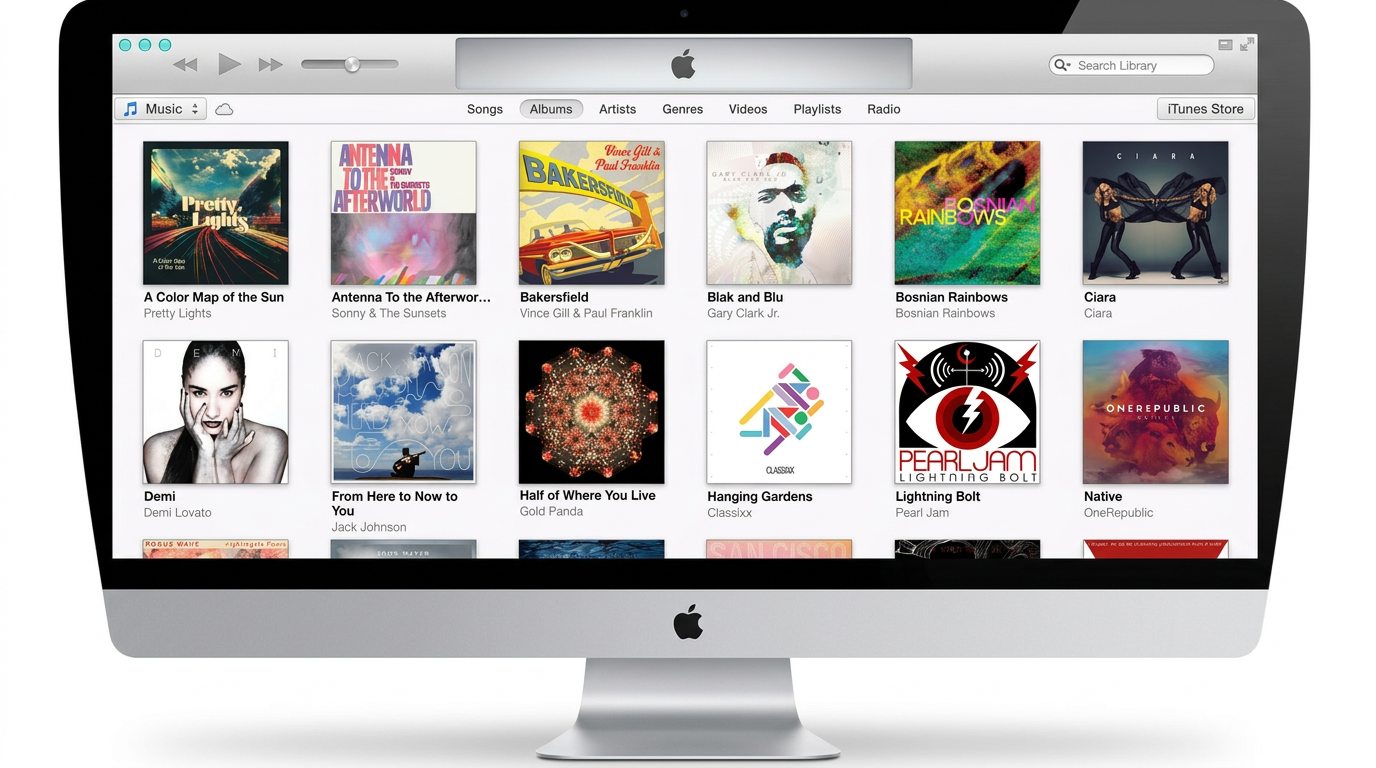
Layers of visual decoration were peeled back. Wood grains, leather textures, glossy buttons and heavy chrome made way for clean surfaces, honest typography and content that earned its own attention. The album, the artist, the song, those were the heroes again.
A unified grid, a calmer interface.
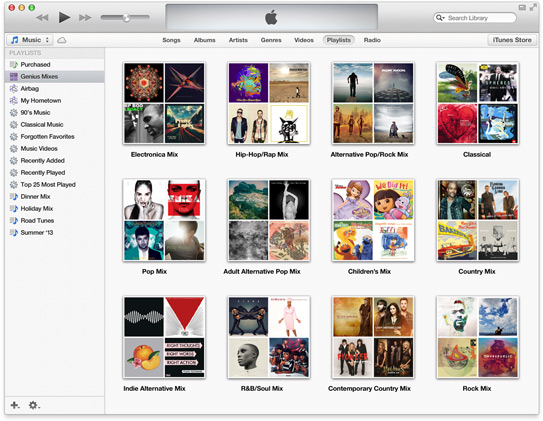
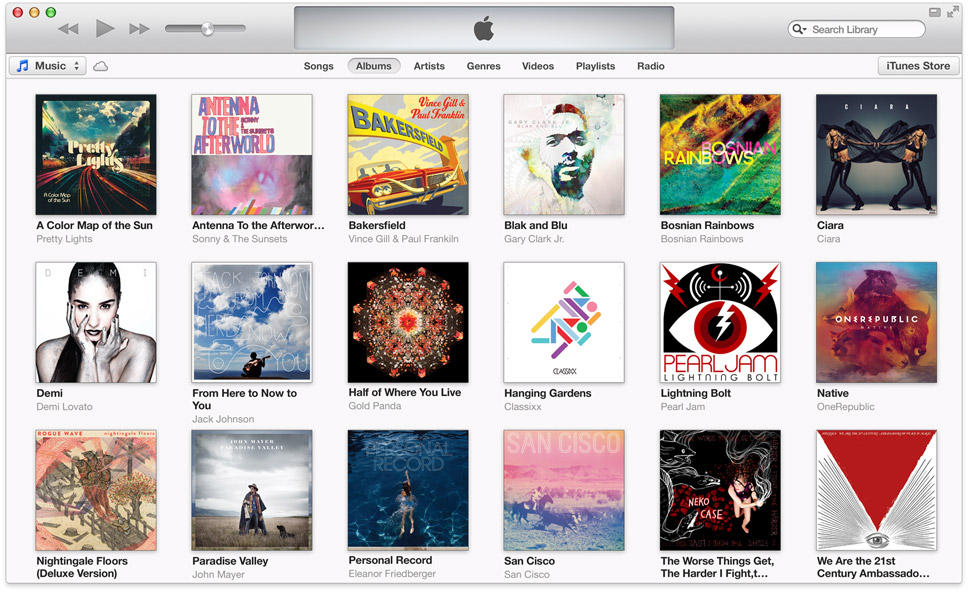
The album grid was unified into a single, confident layout that worked the same way across the library, the store and search. Now Playing controls were rethought from scratch, simpler, more glanceable, and tuned to the way people actually used them. The first run experience was refined and brought back into line with the rest of Apple's brand, so that opening iTunes felt like opening a Mac.
Every decision was about restraint. Where iTunes 10 had a hundred small flourishes, iTunes 11 had a few well chosen ones. The interface stopped competing with the content and started supporting it.
A new visual direction for Apple.
iTunes 11 was a major overhaul, and it ended up doing more than modernising one app. It set the ground for a wave of new patterns across Apple, a functional sidebar that came back into fashion, a beautiful unified grid layout, and a more minimal, restrained visual style that would later show up across the whole operating system.
It also drew the line that iTunes itself would eventually be redrawn along, the line that, years later, became the modern Music app.
The discipline of taking things away.
The lesson I carried out of iTunes 11 was the discipline of subtraction. It is much harder to remove something well than to add something new, and the apps people love the most are usually the ones that did the hard work of taking things away.
GalleryA look at iTunes 11.